CLEAN
Remove waste. Protect water.
Conduct regular river clean-ups targeting litter, dumped waste and harmful material using appropriate safety procedures.
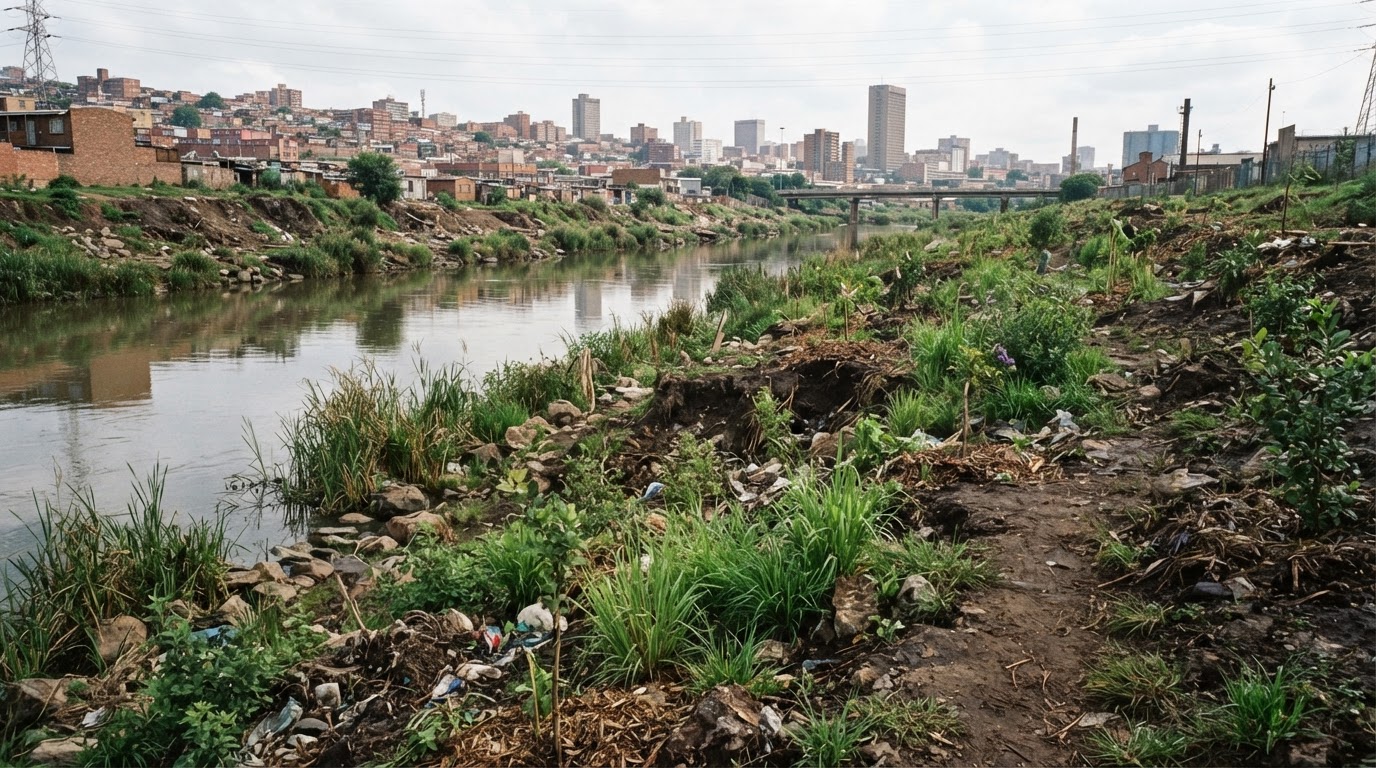
Six connected actions. One practical model — combining all programme, project and impact information in one place.
Remove waste. Protect water.
Conduct regular river clean-ups targeting litter, dumped waste and harmful material using appropriate safety procedures.
Turn participation into knowledge.
Train teams and volunteers in environmental care, waste management, water conservation, biodiversity, food production and sustainable living.
Help natural systems recover.
Rehabilitate riverbanks through appropriate indigenous planting, erosion-conscious restoration and habitat improvement.
Create work with dignity.
Create paid opportunities while developing a workplace culture centred on safety, purpose, responsibility and learning.
Build skills that travel further.
Develop practical capability, responsibility and exposure to future environmental and green-economy opportunities.
Show what positive action can achieve.
Share measurable progress, learning and community stories that encourage participation.
This is the planned operating model, not completed impact. Waste is collected and disposed of through appropriate transport or waste-management arrangements.
Team
10 paid staff members
Frequency
2–3 clean-up days per week
Typical working hours
07:00–15:00
Target
Approx. 50–80 bags per clean-up day, depending on site conditions
Staff support
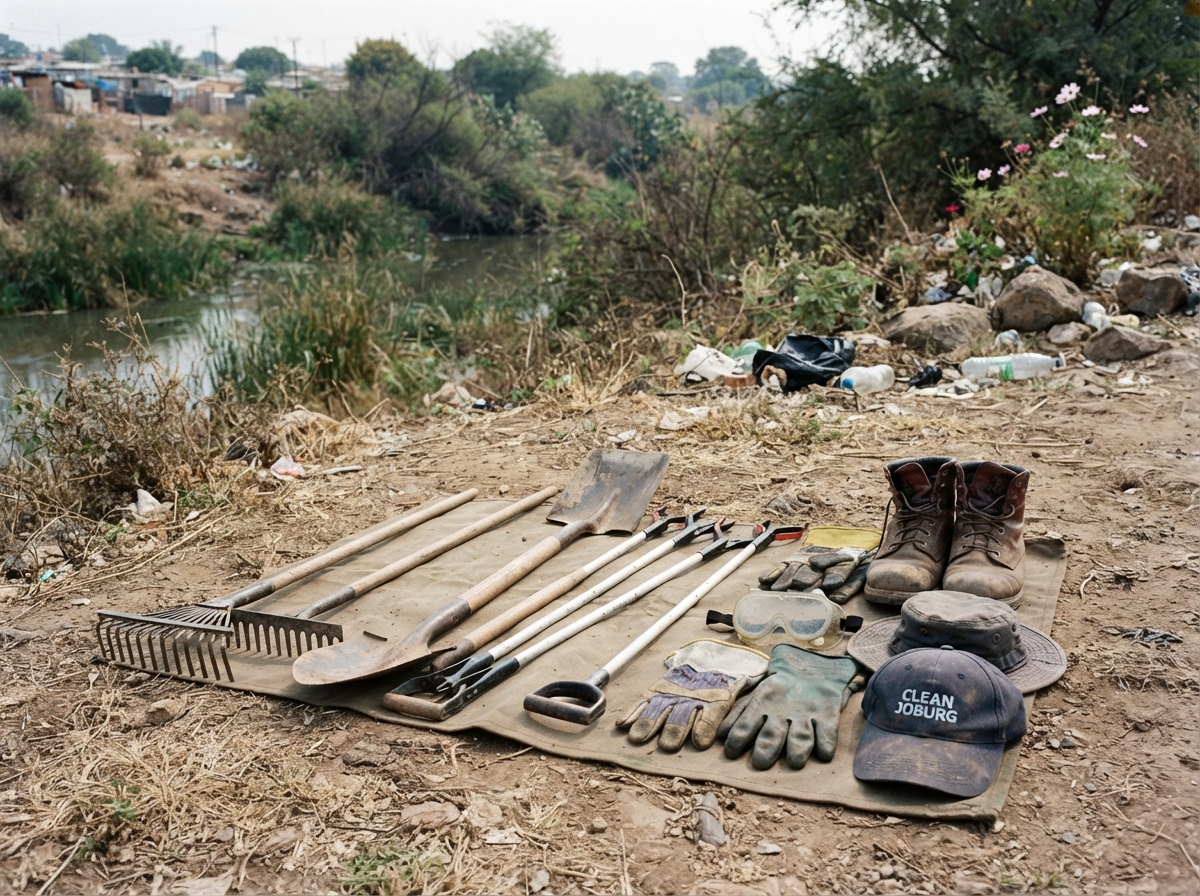
Safe, effective work starts with the right equipment. Every team member is equipped for real conditions on an urban riverbank.
Offline. team members should develop into environmental ambassadors — building knowledge, capability and responsibility through real work.
Potential learning areas
The workplace should be known for
Regular river clean-ups followed, where appropriate, by progressive riverbank rehabilitation and indigenous planting.
Initial focus
Where suitable & properly supported, subsequent restoration
An indigenous plant nursery intended to support rehabilitation, community planting, plant sales and future sustainable income.
Any use of river water for irrigation requires appropriate water-quality assessment, treatment where needed and applicable compliance.
Potential participants
A community-market concept supporting local growers, makers, artists, food producers and responsible small businesses.
Potential future stall fees or sponsorship may contribute towards Offline. projects. Not yet operating.
Potential participants
Impact reporting begins with our first project.
As projects begin, verified environmental, employment, training and participation results will appear here. Before-and-after reporting will be introduced as verified project photography becomes available.